
Markets Seek Stability as Geopolitical Tensions Continue to Shape Investor Sentiment
U.S. stock futures are attempting to recover, even as geopolitical tensions in the Middle East intensify and continue to weigh on global markets.
Recent trading sessions have been marked by high volatility, with investors navigating conflicting signals around the evolution of the conflict involving the United States and Iran. While intermittent diplomatic efforts suggest a potential path toward de-escalation, the overall scenario remains uncertain, sustaining a cautious tone across financial markets.
Despite this backdrop, futures tied to major U.S. indices have shown modest gains, reflecting a technical rebound after recent losses. Market participants are reassessing risk exposure while closely monitoring geopolitical developments and their potential impact on global economic stability.
A key concern remains the energy market. Oil prices continue to trade at elevated levels—frequently above the $100 per barrel threshold—driven by fears of supply disruptions and increased military activity in the region. This dynamic reinforces inflationary pressures and complicates the outlook for monetary policy in the United States and other major economies.
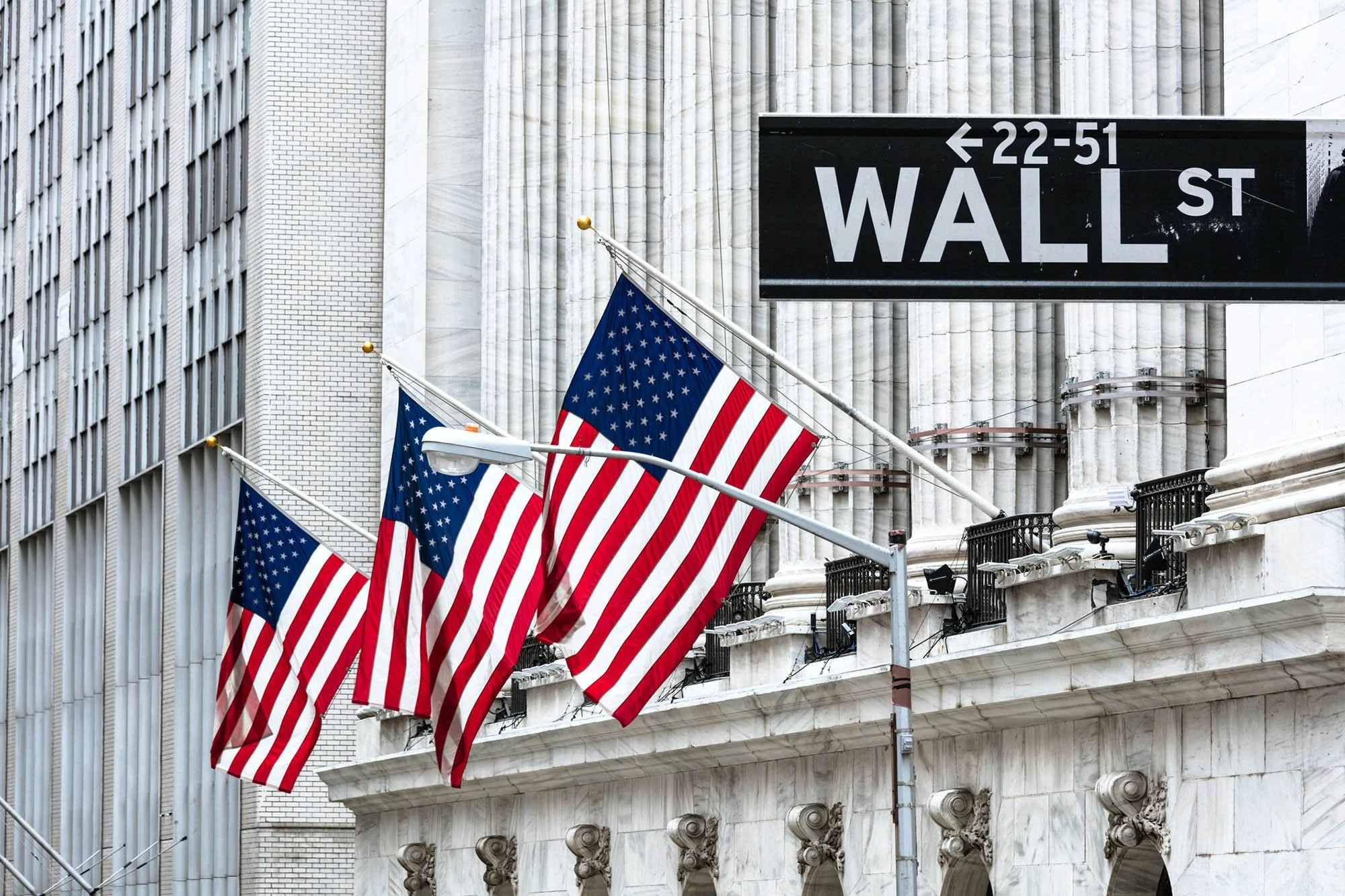
The persistence of geopolitical risk has also contributed to a broader risk-off environment in recent sessions, with declines across equities and increased volatility in global assets. At the same time, any signs of diplomatic progress have been enough to trigger short-term recoveries, underscoring the fragility of current market sentiment.
Looking ahead, investors are turning their attention to key economic indicators, including labor market data and manufacturing activity, which may offer further insight into how the ongoing conflict is affecting the U.S. economy. These indicators will be critical in shaping expectations for the Federal Reserve’s next moves, particularly in a context of persistent inflationary pressures linked to energy prices.
In this environment, the interplay between geopolitics and macroeconomic fundamentals is likely to remain the central driver of global markets. For international business leaders, the current moment reinforces the importance of strategic risk management and diversified investment approaches in an increasingly complex and interconnected world.