
Markets React to Potential De-escalation in the Middle East as NY Futures Advance
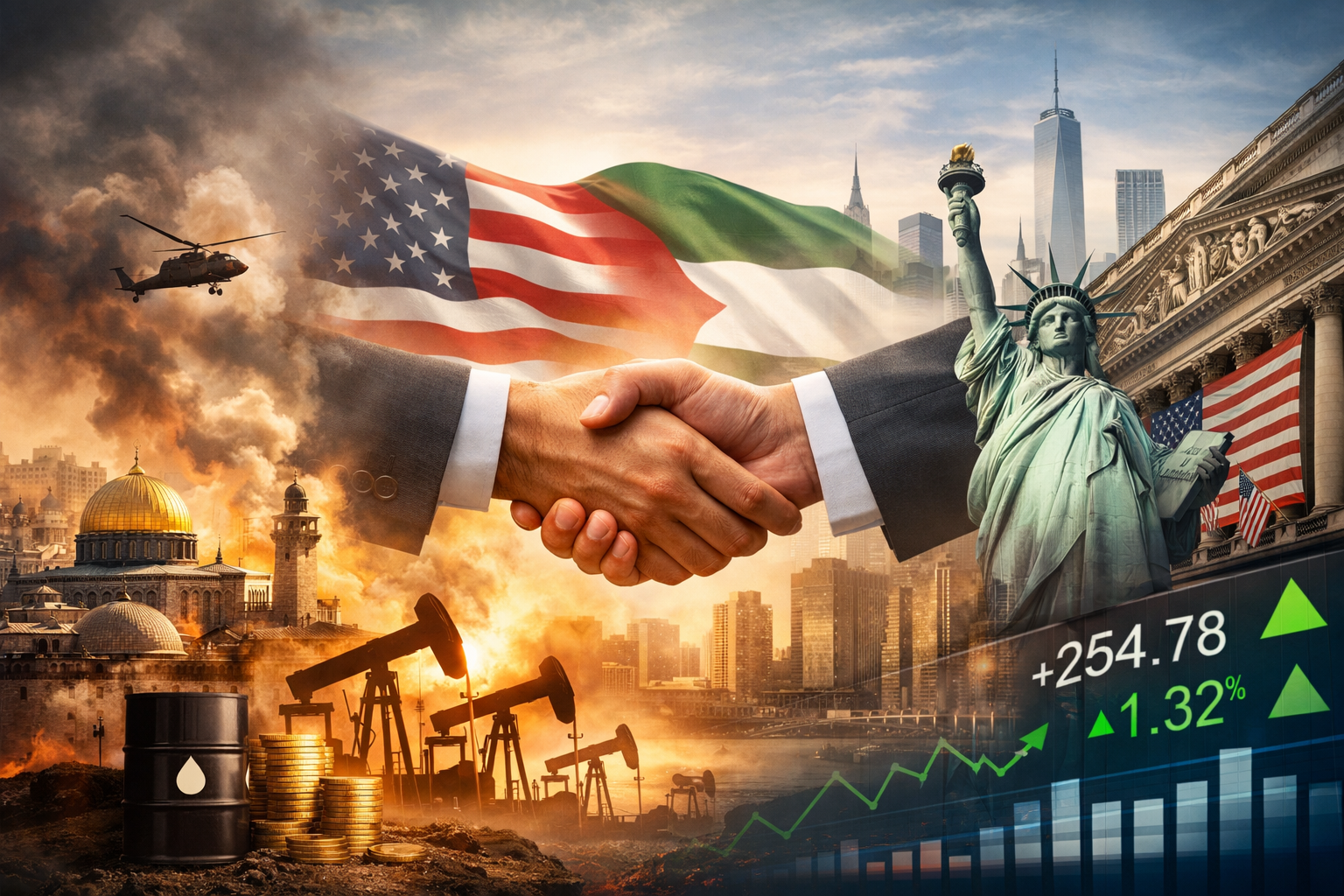
New York futures are trading higher, reflecting a meaningful shift in global risk perception amid signals of a possible de-escalation in the Middle East. After weeks marked by heightened volatility and risk aversion, investors are beginning to recalibrate their positions based on a scenario that, while still uncertain, points toward reduced geopolitical tensions.
The conflict, which significantly increased international instability, has had a direct impact on key global economic variables. Rising oil prices, inflationary pressures, and uncertainties surrounding supply chains have put governments and businesses on alert, reinforcing the deep interconnection between geopolitics and economic dynamics.
In this context, any indication of diplomatic progress tends to trigger immediate market reactions. The rise in New York futures reflects not only a technical rebound, but also a repricing of expectations, with investors gradually and selectively returning to risk assets.
For the business environment, this episode underscores the need for a strategic and continuous reading of the international landscape. In an increasingly interconnected world, geopolitical events are no longer peripheral; they directly influence investment decisions, financial planning, and business expansion strategies.
The current environment also highlights the importance of market diversification, supply chain resilience, and the ability to adapt to external shocks. Companies with global operations, or international ambitions, must structurally incorporate geopolitical risk analysis into their strategic frameworks.
From an institutional perspective, moments like this reinforce the role of organizations such as LIDE in fostering qualified dialogue and building bridges between the private sector and key global decision-making centers. By closely monitoring international developments, LIDE helps prepare business leaders to navigate an increasingly complex and dynamic environment.
While the short term still calls for caution, the positive market reaction suggests there is room for a gradual restoration of confidence, provided that signals of stability materialize. More than a short-term relief, this moment offers an opportunity for strategic reflection and for strengthening a business agenda guided by global vision, pragmatism, and international cooperation.